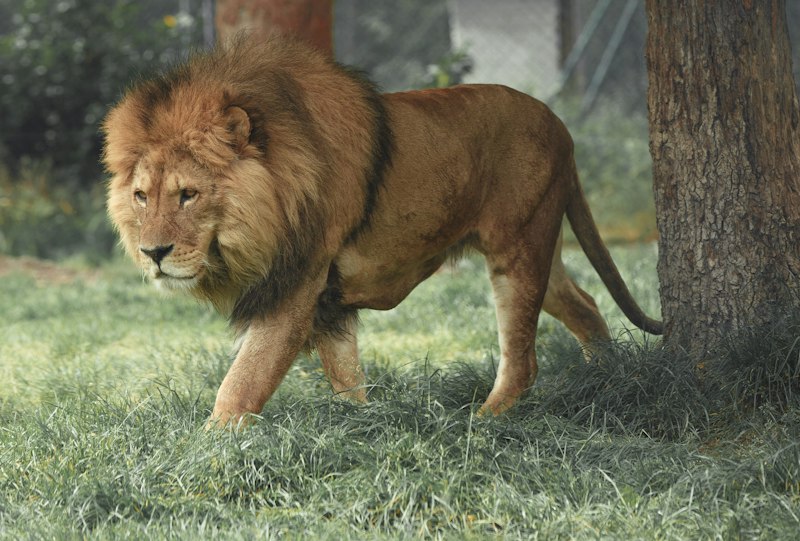
Jaguar
Panthera onca
Overview
The jaguar (Panthera onca) is the largest cat species in the Americas and the third-largest in the world. It is the apex predator of the South American rainforests.
Fun Fact
The word 'jaguar' comes from the indigenous word 'yaguar', which means 'he who kills with one leap'.
Physical Characteristics
Sturdy build with a yellowish-tan coat covered in rosettes. Unlike leopards, jaguars have small dots inside their rosettes.
Behavior & Ecology
Excellent swimmers and climbers. They are solitary animals that define large territories near water sources.
Diet & Hunting Strategy
They have the strongest bite of all big cats, capable of piercing the shells of turtles and caimans.
Reproduction & Life Cycle
Gestation lasts about 100 days, after which the mother gives birth to two to four cubs in a well-hidden den.
Human Interaction
A powerful symbol in pre-Columbian cultures (like the Mayans and Aztecs), representing strength and authority.
FAQ
What is the scientific name of the Jaguar?
The scientific name of the Jaguar is Panthera onca.
Where does the Jaguar live?
Tropical rainforests, swamps, and wooded regions across Central and South America.
What does the Jaguar eat?
Carnivore (Apex predator). They have the strongest bite of all big cats, capable of piercing the shells of turtles and caimans.
How long does the Jaguar live?
The lifespan of the Jaguar is approximately 12-15 years in the wild..