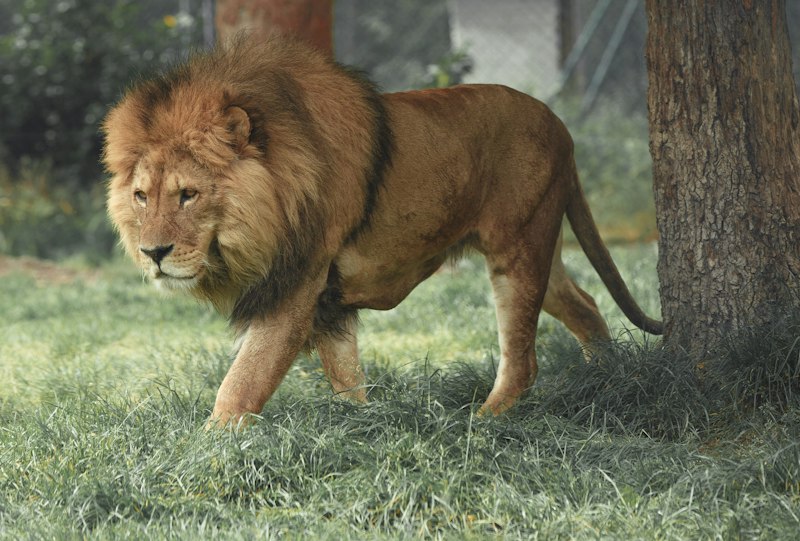
Giraffe
Giraffa camelopardalis
Overview
The giraffe is the tallest living terrestrial animal and the largest ruminant. It is famous for its long neck and patterned coat. Giraffes are non-territorial, social animals that roam in loose herds.
Fun Fact
A giraffe's heart is about 60 cm long and weighs 11 kg to pump blood all the way up its neck to its brain against gravity.
Physical Characteristics
Long neck, long legs, and distinctive brown patches. They have 'ossicones' which are horn-like structures on their heads used for combat.
Behavior & Ecology
They sleep very little, often only for 5 to 30 minutes in a 24-hour period, usually standing up to be ready to run.
Diet & Hunting Strategy
They primarily eat leaves from acacia trees, using their long, prehensile, purple tongues which can be up to 50 cm long to avoid thorns.
Reproduction & Life Cycle
Gestation lasts 15 months, and the calf drops about 1.5 meters to the ground at birth, standing up within an hour.
Human Interaction
Widely beloved and a major attraction in African safaris and wildlife parks.
FAQ
What is the scientific name of the Giraffe?
The scientific name of the Giraffe is Giraffa camelopardalis.
Where does the Giraffe live?
Savannas and open woodlands of Africa.
What does the Giraffe eat?
Herbivore (Browser). They primarily eat leaves from acacia trees, using their long, prehensile, purple tongues which can be up to 50 cm long to avoid thorns.
How long does the Giraffe live?
The lifespan of the Giraffe is approximately 20-25 years in the wild..